Skip to content

Helping Young People Grow into Leaders

Leadership pathway

Horse Rangers learn to lead, support others, and enjoy responsibility. As they progress, their achievements are recognised through promotions to a range of leadership roles within their Sessions.

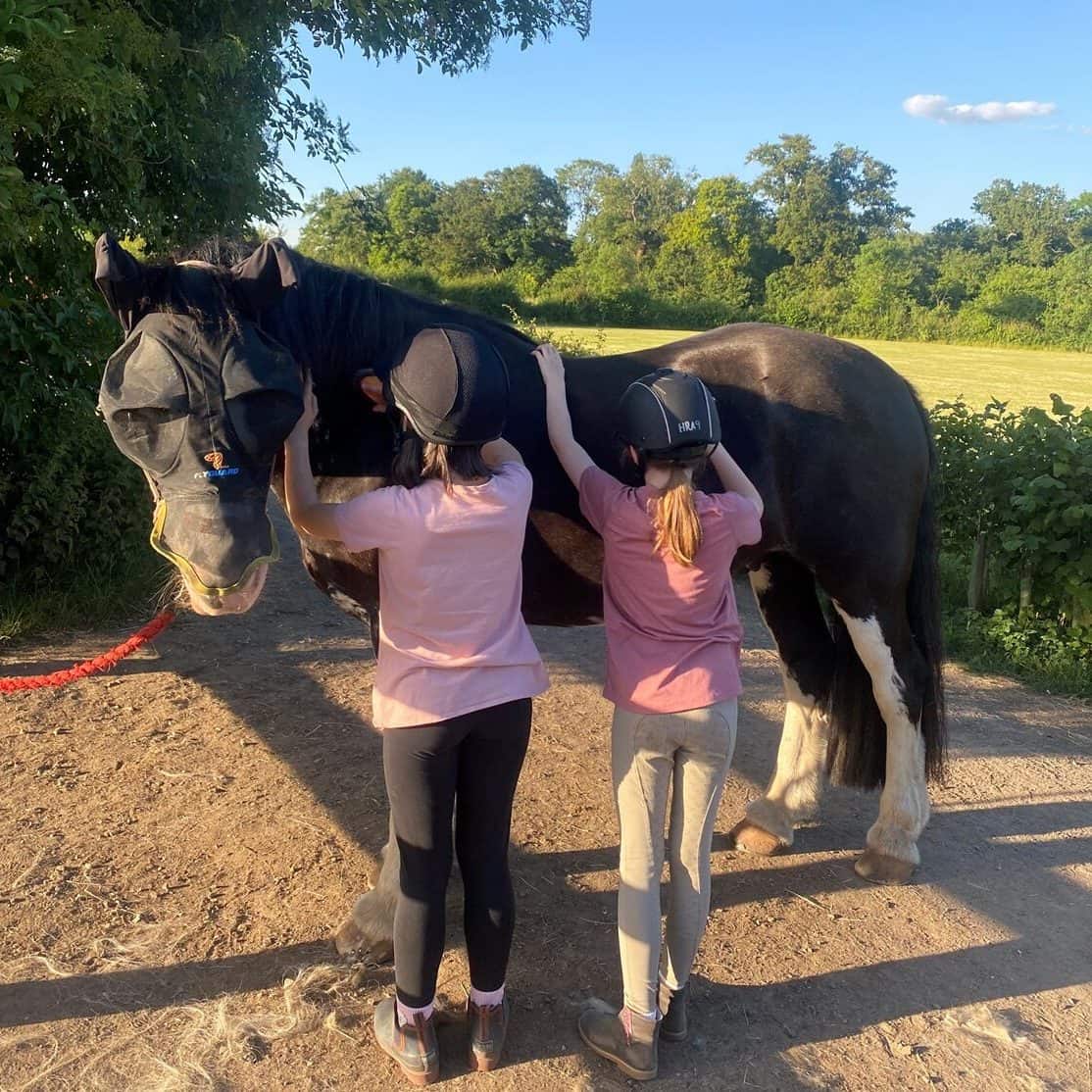
Two Horse Rangers standing side by side to brush down a black cob in the evening sun

What changes at 12

When your child turns 12, they will be encouraged to take on additional responsibility and support our younger members. This develops confidence, responsibility, teamwork, and leadership, all while having fun with horses.

At every stage, Rangers are supported by our Officers, Instructors, and Session Leaders, who help them develop leadership, organisation, and mentoring skills.

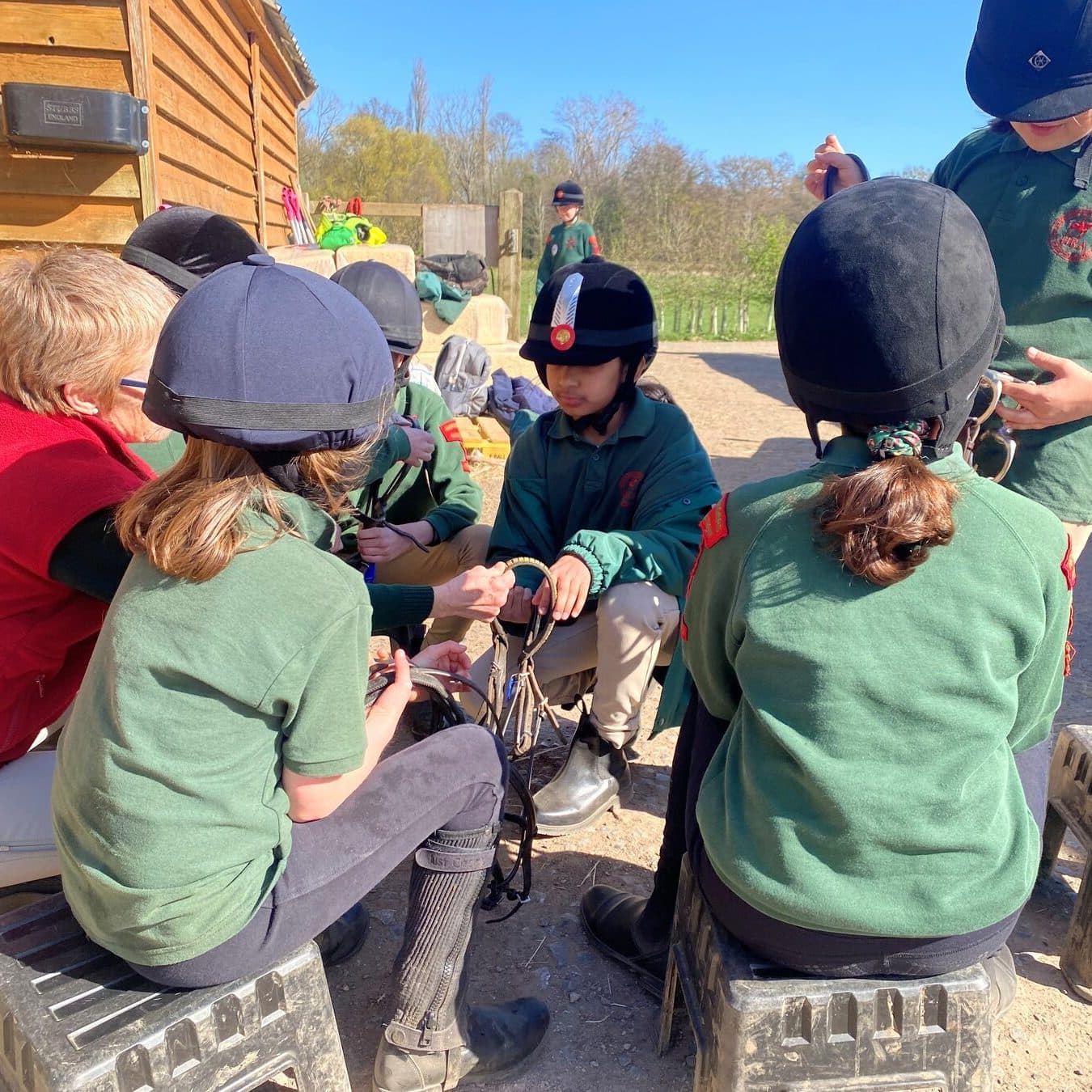
A group of Horse Rangers sitting together in the sunshine, working out how a bridle fits

The five leadership roles

Rangers progress through five leadership roles, developing confidence, responsibility and leadership skills every step of the way.

  1. Step 1 of 5

    Lance Corporal

    Helping Young People Discover Leadership

    Lead by example and support others.

    Your child will start to take on simple leadership responsibilities while continuing to develop their own confidence and independence. They will be a role model for younger rangers, help new rangers settle into sessions and guide them during activities. They will develop key communication, teamwork and leadership skills. A Lance Corporal encourages young people to move from participating to leading by example.
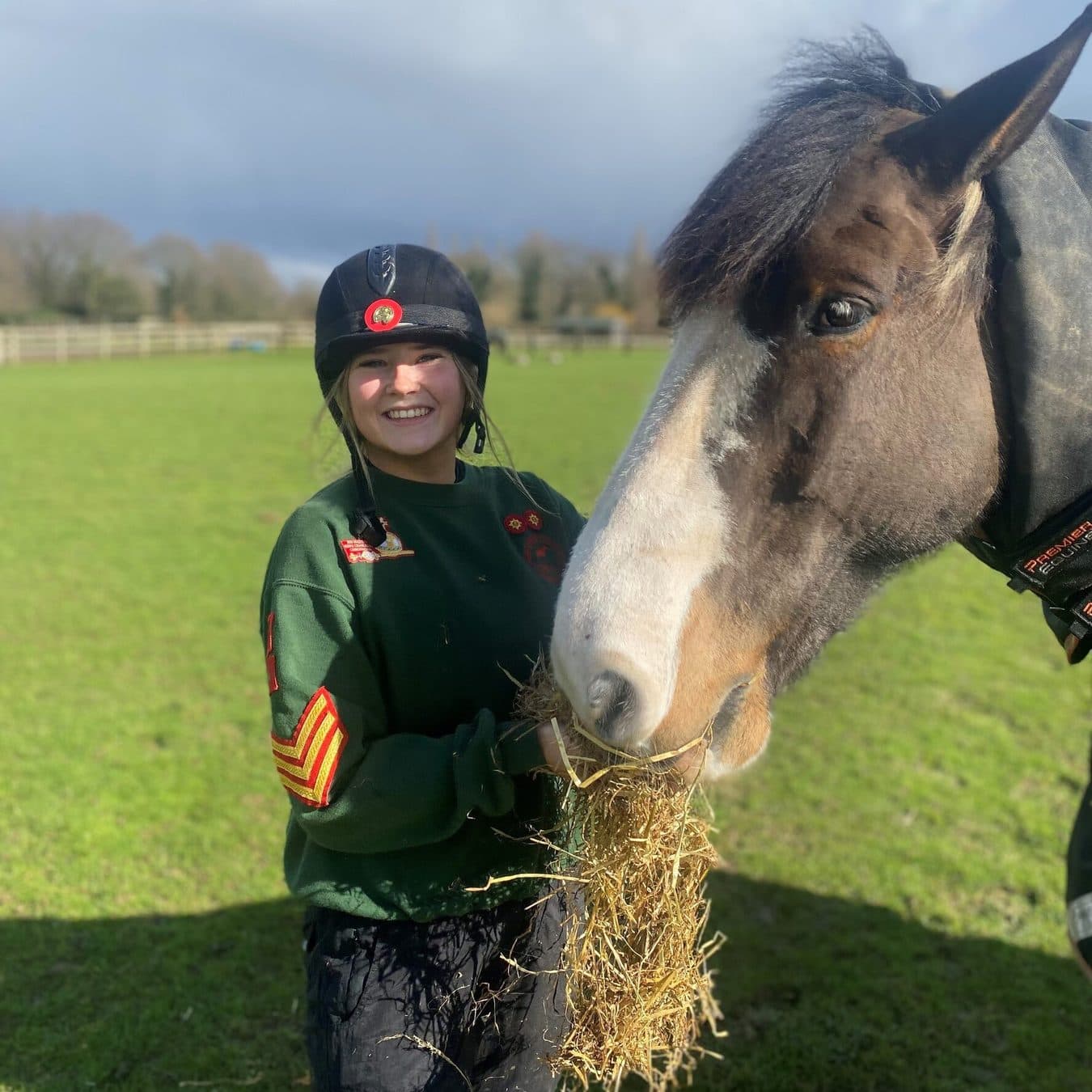
    A Horse Ranger in a riding hat and green fleece holding out a handful of hay to a horse in the field
  2. Step 2 of 5

    Corporal

    Helping Young People Learn to Lead

    Feel confident helping others and organising small group activities.

    Your child will help younger rangers and begin organising small group activities. They will gain experience in communication, decision-making, planning and teamwork, whilst mentoring their peers. Becoming a Corporal marks the transition from helping individuals to supporting small groups.

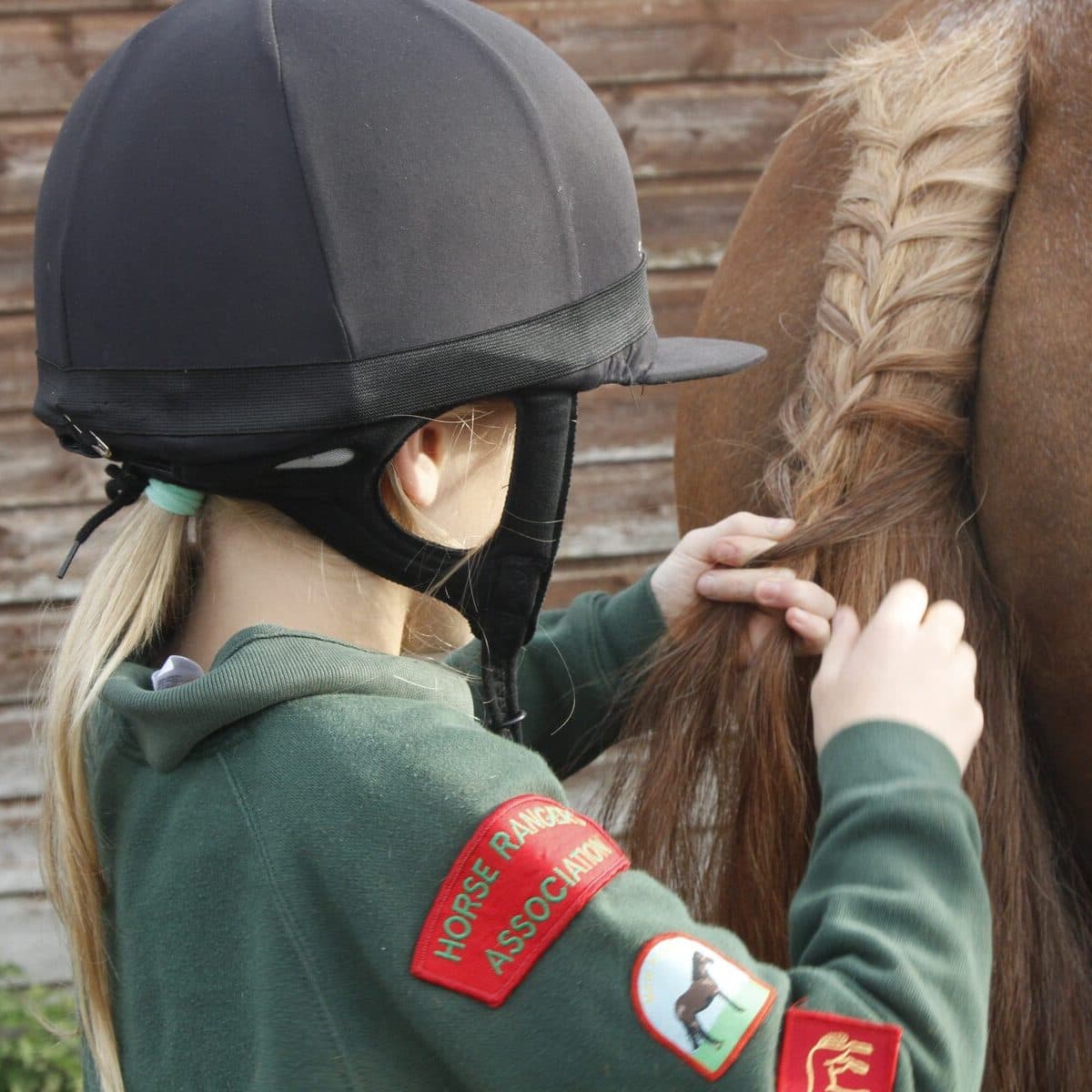
    A Horse Ranger in a riding hat plaiting a chestnut horse’s tail, the badges on their sleeve showing
  3. Step 3 of 5

    Sergeant

    Helping Young People Lead Independently

    Lead activities and help others grow.

    Your child will serve as a role model for emerging leaders, supporting activities and sharing their knowledge with younger Rangers. They will strengthen their leadership, mentoring, communication, delegation and organisational skills. As a Sergeant, they will learn that great leadership is not only about directing others, but also about empowering them to grow, develop, and succeed.

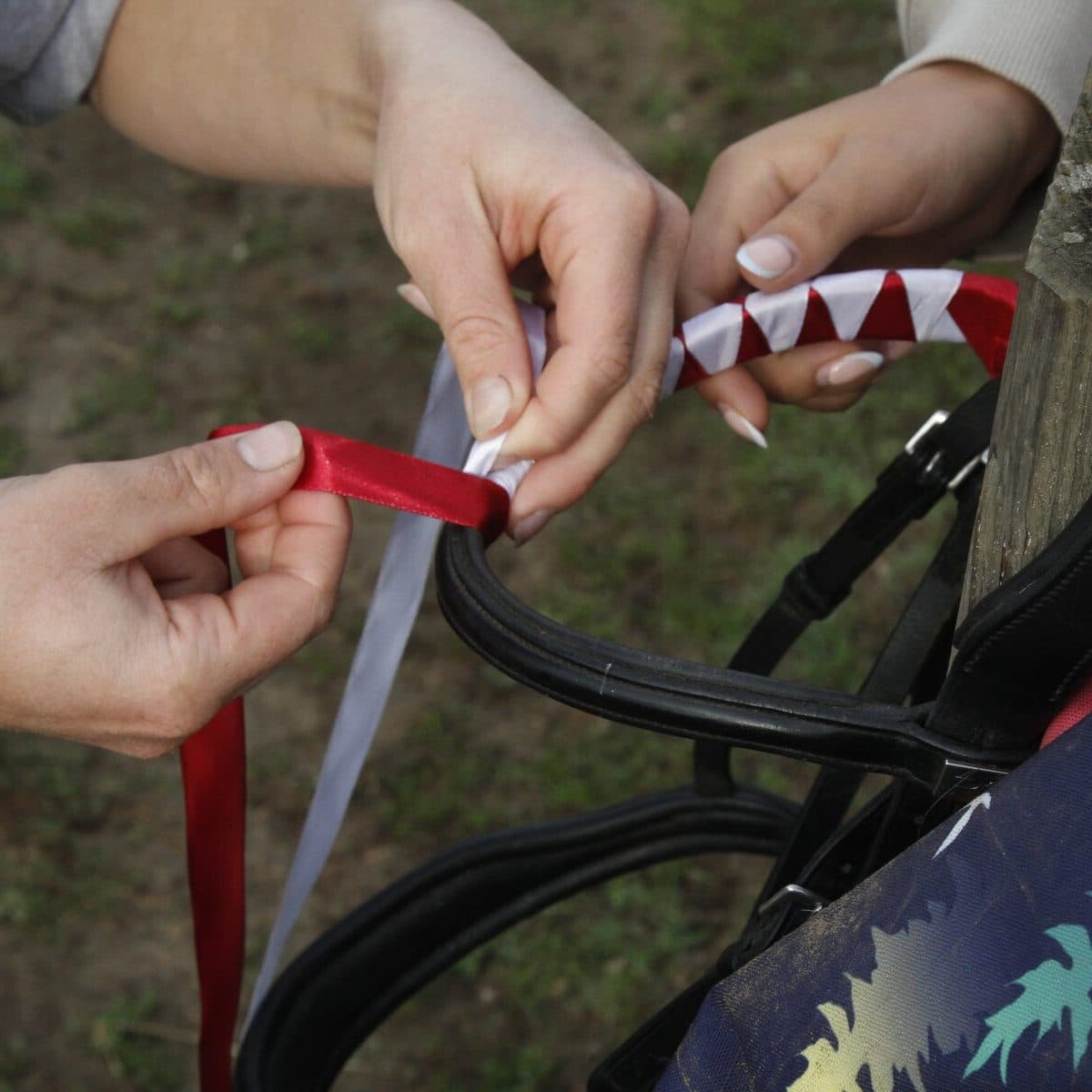
    Two Horse Rangers working together, winding red and white ribbon around a bridle held on a fence post
  4. Step 4 of 5

    Staff Sergeant

    Helping Young People Lead with Others

    Coordinate leaders and help sessions succeed.

    Your child becomes a key leader in their sessions. They help coordinate other young leaders, plan lectures and organise practical activities in their sessions. They will build on their developing leadership skills and start to understand risk management, while learning how to manage people and responsibilities effectively. Staff Sergeants take a broader role in coordinating teams and supporting the success of the whole session.

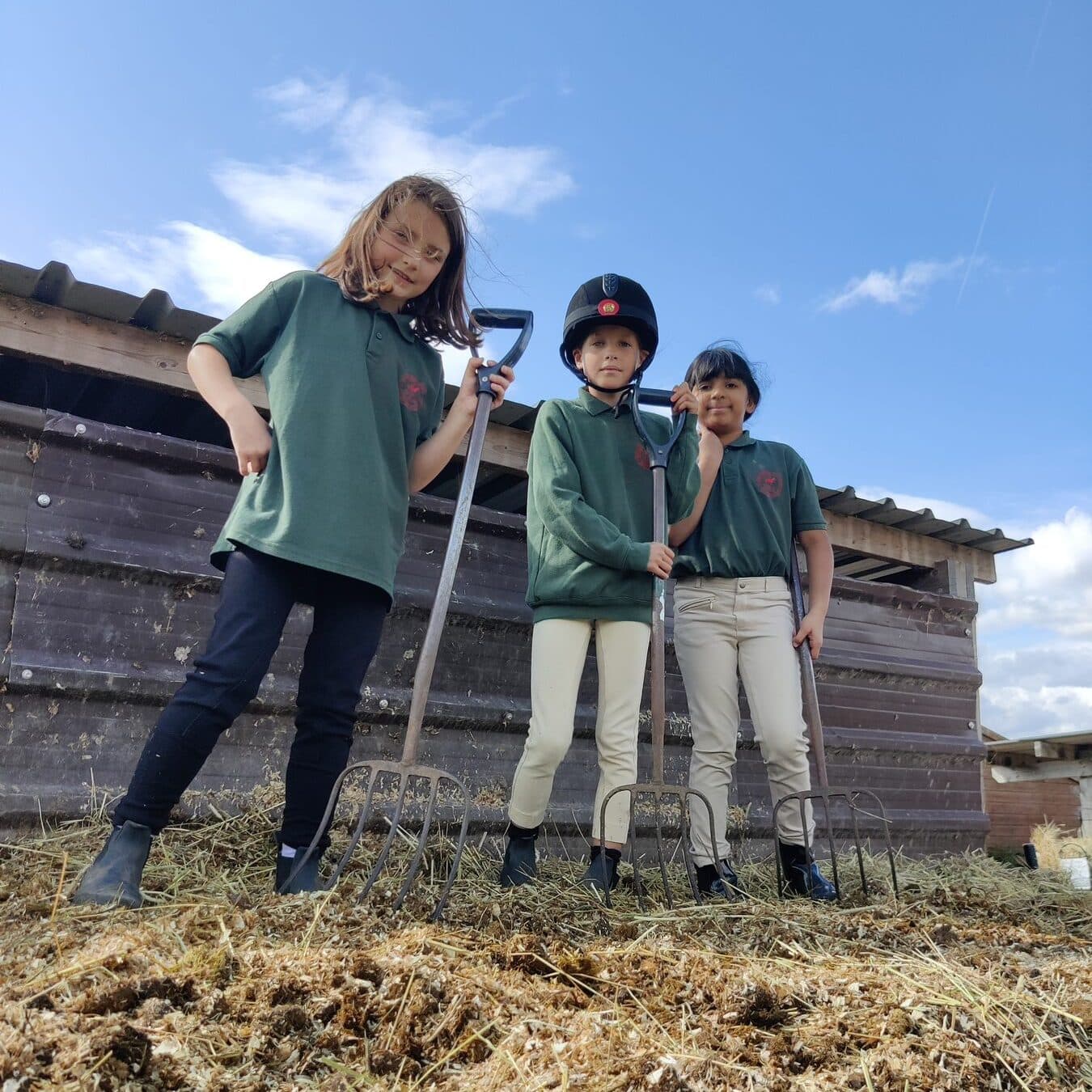
    Three Horse Rangers leaning on their forks on the muck heap, smiling at the camera
  5. Step 5 of 5

    Cadet Officer

    Helping Young People Become Young Leaders

    Be a confident young leader.

    Cadet Officers are 18 years old and above, and work alongside our adult volunteers and instructors to help plan, organise and support the session. They will develop professional behaviours, safeguarding awareness, leadership, initiative and teamwork. They learn how to manage responsibilities across the whole session while supporting both younger rangers and leadership teams.

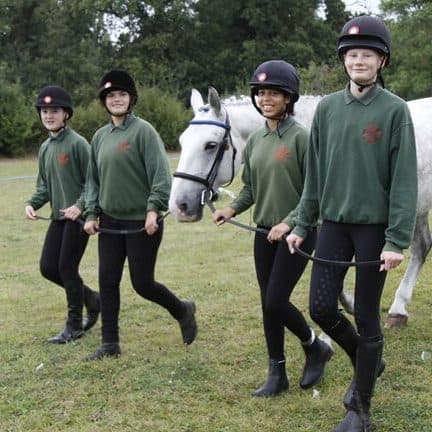
    Four Horse Rangers in green sweatshirts and riding hats walking a dappled grey horse across the grass together